
Introduction
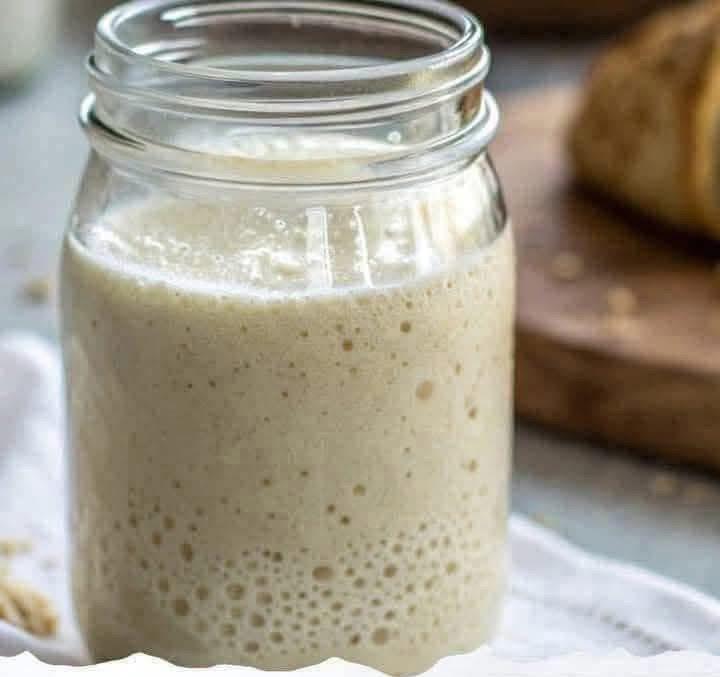
A sourdough starter is a living mixture of flour and water that captures natural wild yeast and beneficial bacteria from the environment. It acts as a natural leavening agent, allowing bread to rise without commercial yeast while adding signature tangy flavor and chewy texture.
Origin & Background
Sourdough is one of the oldest forms of bread leavening, dating back thousands of years to early civilizations that discovered fermented grain mixtures could make bread rise. Bakers have maintained starters for generations, passing them down like culinary heirlooms.
Ingredients
- Whole wheat flour or all-purpose flour
- Filtered or non-chlorinated water
(That’s it—no yeast needed.)
Equipment
- Glass jar or container
- Spoon or spatula
- Kitchen scale (recommended for accuracy)
- Cloth or loose lid
Step-by-Step Instructions (7-Day Method)
Day 1
Mix:
- ½ cup flour
- ¼ cup water
Stir until thick paste forms. Cover loosely and let sit at room temperature (21–24°C).
Day 2
You may see bubbles. Discard half. Add:
- ½ cup flour
- ¼ cup water
Mix and rest again.
Days 3–6
Repeat daily:
- Discard half
- Feed with same flour + water ratio
- Stir and rest
Starter should become bubbly, slightly sour-smelling, and expand after feeding.
Day 7 – Ready
Your starter is ready when:
- It doubles in size within 4–6 hours after feeding
- Smells pleasantly tangy (not rotten)
- Shows lots of bubbles
Maintenance
- Daily baking: Feed every 24 hours at room temperature
- Occasional baking: Store in fridge and feed once weekly
- Before baking: Feed 4–8 hours before use
Tips for Success
✔ Use unbleached flour for best fermentation
✔ Keep jar loosely covered (needs airflow)
✔ Warm environment speeds fermentation
✔ If liquid forms on top (“hooch”), stir or pour off and feed
Troubleshooting
- No bubbles: Room may be too cold
- Strong alcohol smell: Needs feeding
- Pink/orange color: Discard and start over (contamination)
Flavor Profile
A mature starter gives bread:
- Slight tanginess
- Deep aroma
- Crisp crust
- Chewy interior
Conclusion
Making your own sourdough starter is simple, rewarding, and connects you to centuries of baking tradition. Once established, it can last indefinitely with proper care.